Walking On the Water–Did Peter Fail?

Devotional Reading—Walking On the Water—Did Peter Fail? From The Struggle of Sanctification by Sonya Johnson

The points for consideration about the Apostle Peter are from a sermon preached by Pastor D. Snell of Oakwood University SDA Church.

From reading the Scriptures, Peter was impulsive, impatient, and impetuous. Whether Jesus was telling a parable or teaching the disciples, Peter never listened with the intent to learn. The disciple who could not control his mouth was always ready to correct others and to express his opinions which impeded his ability to gain knowledge, wisdom, and an in-depth understanding of spiritual matters.

After feeding the 5,000, “Immediately Jesus made His disciples get into the boat and go before Him to the other side, while He sent the multitudes away. And when He had sent the multitudes away, He went up on the mountain by Himself to pray. Now when evening came, He was there alone” (Matthew 14:22-23).

While Jesus was in solitude communing with God, His Father, the disciples were fearful and anxious because of the stormy sea. They attempted to maneuver the boat to safety, “But the boat was now in the middle of the sea, tossed by the waves, for the wind was contrary” (Matthew 14:24).

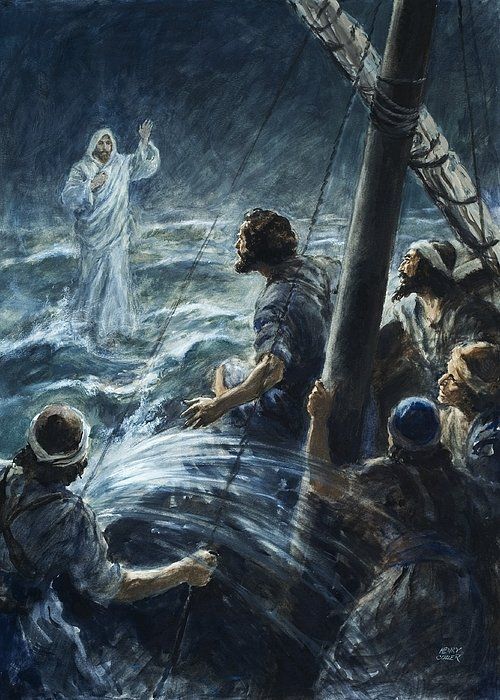
“Now in the fourth watch of the night [between 3 am and 6 am before sunrise], Jesus went to them, walking on the sea. And when the disciples saw Him walking on the sea, they were troubled, saying, ‘It is a ghost!’ And they cried out for fear. But immediately Jesus spoke to them, saying, ‘Be of good cheer! It is I; do not be afraid.'” (Matthew 14:25-27).

Although Jesus identified himself and spoke words of comfort, Peter verbalized the fearful thought in all of the disciple’s minds, “Is it really Jesus?” “And Peter answered Him and said, ‘Lord, if it is You, command me to come to You on the water'” Matthew 14:28.

In His loving nature, Jesus did not rebuke Peter: “…He said, ‘Come.’ And when Peter had come down out of the boat, he walked on the water to go to Jesus” (Matthew 14:29).

Peter’s Failure? “But when he saw that the wind was boisterous, he was afraid; and beginning to sink he cried out, saying, ‘Lord, save me!'” (Matthew 14:30).

Jesus was aware the disciples were in a fishing boat tossing back and forth in a tumultuous storm that should have made the boat sink and caused death from drowning. But these were not normal circumstances. Although Jesus was alone on the mountain, His watchful eyes were covering and protecting His beloved disciples from the catastrophic effects of the raging storm.

Back to the disciples! We understand the disciple’s minds were crippled by fear. Twelve men in a boat using their expertise, but were helpless in preventing a near-death experience. Yet, not one disciple prayed and called on the name of Jesus for help during the storm. We know this because there would have been recorded scriptures indicating they prayed for Jesus to help and save them. And if they prayed for Jesus’ help, when they saw a man walking on the water, all of the disciples would have known that it was Jesus.

Sadly, Jesus knew that His disciples did not believe that He was the Son of God–the Messiah.

When Jesus spoke the words of comfort, “Be of good cheer! It is I, do not be afraid,” the storm was in full effect. Only Peter, the reckless disciple possessed a tiny bit of faith–still, it was enough for him to get out of the boat and walk toward Jesus.

“Many are the afflictions of the righteous, But the LORD delivers him out of them all.” (Psalm 34:19)

Like many of us when facing storms, in his humanness, Peter lost his focus by looking away from Jesus. We know that Jesus promised to deliver us from our troubles, but we fixate on the situation instead of faithfully believing and waiting for deliverance.

Jesus saves Peter: “And immediately Jesus stretched out His hand and caught him, and said to him, ‘O you of little faith, why did you doubt?'” (Matthew 14:31).

“Pastor Snell’s commentary: ‘When Jesus saved Peter, the storm was still raging. Jesus did not bring the boat to Himself and Peter, they walked back to the boat. The disciples in the boat never asked Jesus if they could come to them, they just sat and watched Jesus and Peter walk on the water and enter the boat. Peter had enough faith to walk side-by-side with Jesus.'”

“And when they got into the boat, the wind ceased. Then those who were in the boat came and worshiped Him, saying, ‘Truly You are the Son of God'” (Matthew 32-33).

On the same day, the disciples had just witnessed one of Jesus’ greatest miracles—feeding a multitude of 5,000 plus. They were overtaken by fear when they saw a man walking on the water because of two reasons. They [secretly] held on to their former pagan belief of ghosts. And before the storm, the disciples did not believe that Jesus was the Son of God.

The reckless, impulsive disciple who could not control his emotions or his spoken words had little faith [as pointed out by Jesus]. Still, Peter had enough faith to get out of the boat to go to Jesus and walk back to the boat side-by-side with Jesus.

In Matthew chapter 16, “…Jesus asked His disciples, saying, ‘Who do men say that I, the Son of Man, am?’ “So they said, ‘Some say John the Baptist, some Elijah, and others Jeremiah or one of the prophets.’ “He said to them, ‘But who do you say that I am?'” (Verses 13-15).

“Simon Peter answered and said, ‘You are the Christ, the Son of the living God.’” (Matthew 16:16)

Jesus’ Response: “Jesus answered and said to him, ‘Blessed are you, Simon Bar-Jonah, for flesh and blood has not revealed this to you, but My Father who is in heaven.’” Matthew 16:17

Jesus changed Simon Bar-Jonah’s name to Simon Peter and blessed him because he wholeheartedly believed that Jesus Christ was the Son of God.

Before Jesus’ arrest leading to His crucifixion, He stated to the disciples, “Until now you have not asked for anything in My name. Ask and you will receive, so that your joy may be complete.” (John 16:24)

Where do we stand as disciples of Jesus? Are we sitting in our lifeboats with minds full of worldly beliefs that prevent us from actively acknowledging that Jesus Christ is the Son of God? Do our daily prayers reflect that we are asking for faith, courage, wisdom, and the anointing of the Holy Spirit from Jesus?

Without the habit of praying for spiritual growth and a closer relationship with Jesus, we will have the mindset of the disciples–when in trouble we will not remember to pray. Our minds will be filled with fear or we will expend energy attempting to resolve life’s issues without success.

Our lifestyles reveal if we love Jesus. If we love God with all of our hearts, souls, and minds, then we faithfully serve as obedient disciples who live to do the will of God.

“So when they had eaten breakfast, Jesus said to Simon Peter, ‘Simon, son of Jonah, do you love Me more than these?’ He said to Him, ‘Yes, Lord; You know that I love You.’ He said to him, ‘Feed My lambs.'” (John 21:15)

Yes, Peter denied Christ three times. Still, Peter loved Jesus. It was from Jesus’ overwhelming love, grace, and mercy that Peter, the impetuous, cowardly, disciple received complete forgiveness and restoration as His disciple.

The Apostle Peter is an example of the spiritual transformation that is possible when we love Jesus and acknowledge Him as King of Kings and Lord of Lords in our lives. Every day, with humble hearts on bended knees, we must proclaim, “You are the Christ, the Son of the living God!” Hallelujah to the Lamb of God who takes away the sin of the world. Amen.

Bible Study: Matthew chapter 14 and John chapter 21
Who Stopped Your Progress?

Devotional Reading—Who Stopped Your Progress? From The Struggle of Sanctification by Sonya Johnson

Our dreams, goals, and plans are healthy signs of the motivation necessary to achieve bigger and better things. Our excitement grows as we research and develop strategies to accomplish our vision. Hopefully, we have searched for a mentor with the work experience to give us the guidance required for our dream to come to fruition. To achieve is vital to the growth of our intellect.

But is the sky the limit? We agree that a new entrepreneur faces fierce competition in today’s business arena. Yet, confidence, courage, and common sense will propel your business plan into a start-up with endless growth opportunities. As a former business owner, there is one aspect new business owners do not anticipate: losing a relationship with [some] family and friends who readily give their opinions on how to operate your business.

Can you imagine that your business is doing well and one of your employees secretly speaks to their coworkers that the business operations are making them work harder not smarter and the software you have chosen has many flaws? Immediate termination may be your first thought, but that would not resolve the doubt that was placed in the minds of your staff.

A mandatory meeting reminding your employees when they were interviewed that the organization’s mission and vision were thoroughly outlined to them and they agreed to assist in achieving said goals. In addition, have a one-to-one meeting with each employee to assess their loyalty to the company.

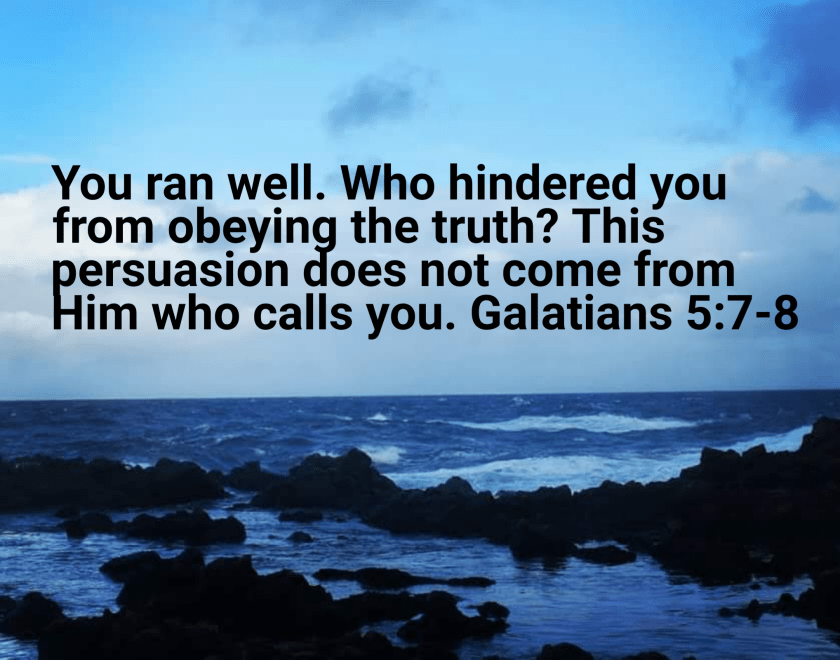
Start-Up Churches: The Apostle Paul faced many obstacles when starting the early Christian churches, especially the churches of Galatia which refers to a region in north-central Turkey. The Galatians epistle exposes the difficulties he faced with the members of the start-up churches.

“Am I now trying to win the approval of human beings, or of God? Or am I trying to please people? If I were still trying to please people, I would not be a servant of Christ.” (Galatians 1:10)

The new converts did not anticipate the separation from their cultural morals and values and the family and friends they were familiar with when they accepted the Gospel of Jesus Christ. Because they desired to keep their former worldly friends and participate in sensual idol worship, they embraced false theories from religious heretics, people who develop a different opinion of God’s truth and attempt to convince others to accept their false beliefs.

The Apostle Paul urged the Galatian members to consider their commitment to Jesus Christ and the consequences of returning to their former practices of idol worship.

“Before you Gentiles knew God, you were slaves to so-called gods that do not even exist. So now that you know God (or should I say, now that God knows you), why do you want to go back again and become slaves once more to the weak and useless spiritual principles of this world?”(Galatians 4:8-9).

Paul pleaded with those who had accepted Christ and had known the power of God in their lives to return to the Living Truth. He was not alone in His efforts. The mighty power of the Holy Spirit worked on the conscience of many who had wandered away and they returned with a steadfast commitment to serving God.

When those who were steadfast in serving God begin to falter in their relationship with Christ–it is spiritual warfare from Satan. He uses people to distract us from God’s Truth and to entice us to give up our righteous standards. But his favorite tactic is to bring people from our past sinful life or former Christians who “…having a form of godliness but denying its power. Have nothing to do with such people (2 Timothy 3:5).

Bible Study: Book of Galatians

Prayer: God, we pray for clarity. We have listened to the doctrines and beliefs of many individuals and can no longer discern if our beliefs are false teachings. We ask for forgiveness for our sins. We pray for the anointing of the Holy Spirit as we study the Scriptures. Thank You for hearing and answering our prayer that we ask in the Worthy name of Jesus, Amen.

Christian Values: Light, Love, Loyalty, Faith, Obedience, Gratitude, and Praise

Christian Values: Light, Love, Loyalty, Faith, Obedience, Gratitude, and Praise From The Struggle of Sanctification by Sonya Johnson

“Through the Lord’s mercies, we are not consumed, Because His compassions fail not. They are new every morning, Great is Your faithfulness. —Lamentations 3:22-23

We receive God’s gift of abundant mercies each day we awaken. And our response should reflect a heart bursting with gratitude, joy, and praise. We are privileged with the opportunity to experience our Heavenly Father’s blessings which produce spiritual growth and development. God’s Divine Intervention in giving Jesus provides us with forgiveness for our sins and the opportunity to receive eternal life [if we choose to accept His gift].

“For God so loved the world that He gave His only begotten Son, that whoever believes in Him should not perish but have everlasting life.” (John 3:16)

Jesus died only for humanity. Nor the angels or animals required salvation and redemption. We should embrace Jesus as if our lives depend on Him because they do.

Sanctification is growing daily spiritually. Spiritual transformation occurs in steps. The process of being transformed into the likeness–the character of Christ is progressive. Our part: Light, Love, Loyalty, Faith, Obedience, Gratitude, and Praise. Every day we pray and renew our commitment to living in the Light of Christ.

“I am the vine, you are the branches. He who abides in Me, and I in him, bears much fruit; for without Me you can do nothing” (John 15:5).

In our weakness, we cannot change our hearts or characters. The Holy Spirit gives us Jesus’ strength along with wisdom and guidance to continue our lifelong journey on the Path of Righteousness.

Prayer and study of the Scriptures reinforce our Christian values. Our journey is dependent on keeping our relationship with Christ steadfast. Do not let anyone persuade you to go against your godly values, even if it means traveling with Jesus alone. Stand for Christ! Pray and ask God to change your heart and character. Remain steadfast! There is a great reward for the faithful.

“For, ‘In just a little while, He who is coming will come and will not delay.’ ” (Hebrews 10:37)

Bible Study: Galatians 5, verses 22-23

Prayer: Jesus, we give you our hearts and ask You to give us your strength. We desire to remain steadfast in Your light. Thank You for hearing and answering our prayer. In Your Holy name, we pray. Amen.

This Devotional reading is available as a podcast on Spotify.

God’s Spirit is Withdrawing From the Earth–Preparing for Eternal Life

The following quote from John Bradshaw summarizes our world’s spiritual and moral decline.

In recent times, the world has witnessed events that just a few years ago might have seemed unbelievable. Flooding, record temperatures, and devastating fires have given evidence that our planet is fragile. Traditional moral values have been turned upside down, while defenders of biblical standards have been ridiculed. Social media has become an ocean of unbridled anger and malice. Cancel culture ruins lives, careers, and reputations.

Politics has become openly hostile, seemingly devoid of the collegiality that once characterized political discourse. The lingering COVID-19 crisis revealed that in no time at all, the attention of the entire world can be fixed on a single, polarizing issue. John Bradshaw, It is Written

“And the LORD said, ‘My Spirit shall not strive with man forever…” Genesis 6:3

“So God looked upon the earth, and indeed it was corrupt, for all flesh had corrupted their way on the earth.” Genesis 6:12

There are 8 billion people on this earth. Can you imagine that only a few would be saved and receive eternal life? Humanity is on a rapid and progressive journey toward the time of Noah. Many who were steadfastly serving God have fallen because of their carnal desires. Biblical prophecies are being fulfilled, yet, we continue to live casual, carefree lives.

Satan has introduced the noise of entertainment, the sports arena, politics, social unrest, violence, and addiction to social media to distract the people of God. Yet, the greatest entry into a believer’s life is from unequal relationships between believers and unbelievers. “Stop forming inappropriate relationships with unbelievers. Can right and wrong be partners? Can light have anything in common with darkness?” (2 Corinthians 6:14).

We have become mesmerized by the intentional deception of preaching false interpretations of the Scriptures. How is the prosperity message being tolerated and accepted in many of our churches? The reason for the popularity of false prosperity messages is our desire for earthly treasure. The line separating need from greed is blurred. We desire tangible things that we can see with our eyes.

A recent survey among Christians reveals that only one in nine studies the Bible every day. Our interest in fulfilling our heart”s desires has resulted in a disinterest in studying and obeying God’s commands in the Bible.

Baptism by immersion is only practiced by a few Bible-based churches. Witnessing to others and community outreach participation by members are almost non-existent. Most Prayer meetings and Bible studies are virtual because of the low attendance in-house. Weekly church attendance is not indicative of a heart-to-heart relationship with Jesus Christ.

The time is now for an honest, self-reflection and praying the prayer of David, “Search me, O God, and know my heart: try me, and know my thoughts: And see if there is any wicked way in me, And lead me in the way everlasting” (Psalm 139:23-24).

Human Effort: Serving God requires an intentional mindset of striving to be holy. “…Be holy, for I am Holy” (1 Peter 1:16). Jesus lived as a man who was tempted like we are, yet, He did not sin. It is impossible to live holy without praying for the Divine Intervention of the Holy Spirit. Our commitment involves putting God first and seeking His guidance in every area of our lives.

Divine Intervention: “I will send you the Helper from the Father. The Helper is the Spirit of Truth who comes from the Father. When he comes, he will tell about me. And you will tell people about me too because you have been with me from the beginning. (John 15:26-27, ERV)

The human effort of daily surrender, faith, obedience, perseverance, prayer, and Bible study prepares us for the anointing and empowerment of the Holy Spirit. In these last days of earth’s history, we need God’s Divine Intervention to stay on the Path of Righteousness. Although the Spirit of God is being withdrawn from the earth, from the whisper of a prayer, we can have the Spirit of God within us to lead, teach, and give us spiritual wisdom and discernment.

Bible Study: Acts 3, The Day of Pentecost

Prayer: God, we desperately need Your help. We commit our hearts to you and ask to be anointed with the Holy Spirit. Thank You for your Divine Intervention. We pray for knowledge, wisdom, and discernment. In Jesus’ Worthy name, we pray, Amen.

The God Who Answers Our Prayers

Devotional—The God Who Answers Prayers from The Struggle of Sanctification by Sonya Johnson

“Hear, O Lord, when I cry with my voice! Have mercy also upon me, and answer me. When You said, ‘Seek My face,’ My heart said to You, ‘Your face, Lord, I will seek.'” –Psalm 27:7-8

God’s promise to the righteous: “When he calls out to Me, I will answer him; I will be with him in trouble. I will deliver him and honor him.” –Psalm 91:15

We serve a dependable God who promises us that He will answer our prayers. Throughout the Scriptures, we find examples of those who prayed for God’s divine intervention and received a yes answer. Elijah’s prayer for three years of no rain, King David’s prayer of confession and repentance, King Hezekiah’s prayer to extend his life, Jesus’ prayer to raise Lazarus along with His prayers in John chapter 17, and the Garden of Gethsemane.

When Paul and Silas were wrongly imprisoned, God intervened. “But at midnight Paul and Silas were praying and singing hymns to God, and the prisoners were listening to them. Suddenly there was a great earthquake so that the foundations of the prison were shaken, and immediately all the doors were opened and everyone’s chains were loosed.” Acts 16:25

The Dilemma of Today’s Prayers–Praying Amiss

The confusion of hearing mixed messages from self-exalting pastors, Bible teachers who give their version of the Scriptures, and self-proclaimed prophets who prophesy a false interpretation of the Word of God, truth combined with prosperity teachings has led many to pray for material possessions. The Apostle James tells us, “You ask and do not receive, because you ask amiss, that you may spend it on your pleasures” (James 4:3). Definition of Amiss: wrongly or inappropriately. The prevailing reason for inappropriate prayers originates from our hearts’ lusts [desires]. God will not give us the desires of our hearts unless they benefit us spiritually.

But Jesus tells us to ask: “Most assuredly, I say to you, he who believes in Me, the works that I do he will also do; and greater works than these he will do because I go to My Father. And whatever you ask in My name, that I will do, that the Father may be glorified in the Son. If you ask anything in My name, I will do it.” (John 14:12-14)

Jesus’ promise to answer our prayers with yes has a condition. He will give a yes answer to our prayers if we are asking for the spiritual things that are necessary to do His will to perform greater works. Throughout Jesus’ life of 33 years, His works reflect the ministry of salvation and miracles of provisions and healing. What exactly does that mean? Are we limited in our prayers to God?

“Then a great multitude followed Him because they saw His signs which He performed on those who were diseased.” (John 6:2)

People Who Followed Jesus Because of His Power to Give to Them

“…when the people, therefore, saw that Jesus was not there, nor His disciples, they also got into boats and came to Capernaum, seeking Jesus. And when they found Him on the other side of the sea, they said to Him, “Rabbi, when did You come here?” (John 6:24-25)

“Jesus replied, ‘I tell you the truth, you want to be with me because I fed you, not because you understood the miraculous signs. But don’t be so concerned about perishable things like food. Spend your energy seeking the eternal life that the Son of Man can give you. For God, the Father has given me the seal of his approval.'” (Johns 6:26-27).

The crowd of people followed Jesus because He fed them not because they were interested in having spiritual insight–the understanding, knowledge, and wisdom that He was the Son of God and the power and authority that was given to Him by God, His Father.

The Prayers of Today’s Christians

Are we praying for others? Or do we simply ask only for ourselves and our families? Our priority in prayer is usually for material possessions. Or, we pray for deliverance from the consequences of our wayward actions. Even for those suffering from physical illnesses, God may not provide healing for them.

In Matthew chapter 6, verses 25 to 34, God has promised to give us provisions–the things that we need daily. Our daily prayers should reflect asking for spiritual blessings in our lives: Forgiveness of our sins, for God to reveal His will for our lives, the anointing of the Holy Spirit, wisdom and discernment of the Holy Scriptures, a deeper relationship with Christ, our purpose and spiritual assignments, and daily protection from spiritual warfare.

In Isaiah chapter 38, we read of King Hezekiah’s physical condition, his prayer, and God’s answer.

Hezekiah’s Predicament: “In those days Hezekiah was sick and near death. And Isaiah the prophet, the son of Amoz, went to him and said to him, “Thus says the Lord: ‘Set your house in order, for you shall die and not live ‘” (Isaiah 38:1).

Hezekiah’s Prayer: “Then Hezekiah turned his face toward the wall, and prayed to the Lord, and said, ‘Remember now, O Lord, I pray, how I have walked before You in truth and with a loyal heart, and have done what is good in Your sight.’ And Hezekiah wept bitterly” (Isaiah 38:2-3).

God’s Answer: “And the word of the Lord came to Isaiah, saying, ‘Go and tell Hezekiah, Thus says the Lord, the God of David your father: I have heard your prayer, I have seen your tears; surely I will add to your days fifteen years’ ” (Isaiah 38:4-5).

In Daniel chapter 10, we read about Daniel who fasted and prayed for three weeks as he fervently petitioned God to understand His vision. To excel in the divine knowledge required for our journey of Sanctification, we must make our spiritual connection with God our number one priority. Never forget the earth as we know it will one day be non-existent. Every day we should prepare for the Second Coming of Jesus, our King of Kings and Lord of Lords to live with Him in the New Heaven and New Earth. Amen.

Jesus’ prayer in John chapter 17 gives us an example of praying for ourselves and others.

Bible Study: John 17

Prayer: God, we admit that our prayers have been self-focused, and we ask for forgiveness for this sin. We pray for the anointing of the Holy Spirit, knowledge, wisdom, understanding, and a deeper relationship with Jesus. Lord, we ask You to give provisions to those in need. This prayer we pray in the Worthy name of Jesus, Amen.

Sabbath Devotional–A Time of Peace

Devotional—A Time of Peace–From The Struggle of Sanctification by Sonya Johnson

The Lord has sought for Himself a man after His own heart. —1 Samuel 13:14

From a shepherd boy who killed lions and bears to becoming a teen giant slayer, David matured into a Warrior King who led armies to victory. Many know that he wrote the book of Psalms, yet, they are not familiar with his life events and reign as king that are documented in the books of 1st and 2nd Samuel and 1st Chronicles. In studying Chronicles, we find that David’s reign involved continuous wars and victories over enemy nations.

How could David be a man after God’s heart when he intentionally committed adultery and ordered her husband to be placed on the frontline of the battle? Yes, he made errors in judgment by following his heart’s desires. God sent the prophet Nathan with a message to confront David regarding his sins [Read 2 Samuel 12].

For his grievous sin of taking Bathsheba and killing her husband, David received a twofold punishment, the death of their first child, and his life was filled with chaos. “This is what the Lord says: ‘Out of your own household I am going to bring calamity on you…” (2 Samuel 12:11).

Once David became king, he also sinned by taking many wives and concubines, bringing abject chaos into his home. Though his enemies sought to take his life, including King Saul, and two of David’s sons—Absalom and Adonijah rebelled against him, God’s righteous hand of protection was upon King Davids’s life. Despite his willful disobedience of following his carnal desires, David repented and found favor with God. The Psalms portray David’s heartfelt love for God.

“Hear, O Lord, when I cry with my voice! Have mercy also upon me, and answer me. When You said, ‘Seek My face,’ My heart said to You, ‘Your face, Lord, I will seek.’” (Psalm 27:7-8)

Nearing the end of his reign, David decided to build the Temple. Like many of us, King David assumed God would approve his plans to build the Temple because he made the human effort of gathering all of the materials [Read 1 Chronicles 29, verses 1-5].

God’s Answer: “Then King David rose to his feet and said, ‘Hear me, my brethren and my people: I had it in my heart to build a house of rest for the ark of the covenant of the Lord, and for the footstool of our God, and had made preparations to build it.’ But God said to me, ‘You shall not build a house for My name, because you have been a man of war and have shed blood.’” (1 Chronicles 28:2-3)

From the disobedient act of taking Bathsheba as his wife, God forgave David. And from that union, Solomon, the wisest man was born and became King. With the love and mercy that only our Heavenly Father can give, David received this promise:

“But you will have a son who will be a man of peace. I will give him peace with his enemies in all the surrounding lands. His name will be Solomon, and I will give peace and quiet to Israel during his reign. He is the one who will build a house for my Name. He will be my son, and I will be his father. And I will establish the throne of his kingdom over Israel forever.” (1 Chronicles 22:9-10).

King David’s command to Solomon: “Consider now, for the LORD has chosen you to build a house for the sanctuary, be strong and do it” (1 Chronicles 28:10).

David’s life represents the lives of many Christian believers who face spiritual, mental, and emotional distress from unexpected life events, chaos in the home amongst family members, and the suffering of consequences from their acts of presumption and disobedience.

We have biblical accounts of the history of humanity’s defeats, disobedience, suffering, and victories. Still, God has shown His abundant love, grace, and mercy to those who followed their hearts. We will always suffer consequences for our disobedience to God. At times, we receive mercy and do not receive the full impact of what we deserve. Yet, we should not take God’s mercy for granted. It is a privilege to serve a God who expects us to be holy because He is Holy.

Sin changes the heart into a rebellious state against God. At that point, we lose the desire to obey God along with our spiritual gifts of peace and contentment. The state of the world in 2022 is the most perilous time in our lives. Staying obedient to God is a covenant vow that brings many benefits. Pray about every decision whether big or small. “Teach me Your way, O Lord…” (Psalm 27:11).

To have God’s Divine protection, provisions, and peace changes the very trajectory of our lives. More than ever, we need God!

Prayer: God, we thank You for protecting us against dangers seen and unseen. Thank you for Your grace and mercies. We pray for forgiveness for following our hearts instead of waiting for Your direction. We ask for Your divine guidance through the anointing of the Holy Spirit. In Jesus’ Worthy name, we pray. Amen.

A Time of Peace

Devotional—A Time of Peace–From The Struggle of Sanctification by Sonya Johnson

The Lord has sought for Himself a man after His own heart. —1 Samuel 13:14

From a shepherd boy who killed lions and bears to becoming a teen giant slayer, David matured into a Warrior King who led armies to victory. Many know that he wrote the book of Psalms, yet, they are not familiar with his life events and reign as king that are documented in the books of 1st and 2nd Samuel and 1st Chronicles. In studying Chronicles, we find that David’s reign involved continuous wars and victories over enemy nations.

How could David be a man after God’s heart when he intentionally committed adultery and ordered her husband to be placed on the frontline of the battle? Yes, he made errors in judgment by following his heart’s desires. God sent the prophet Nathan with a message to confront David regarding his sins [Read 2 Samuel 12].

For his grievous sin of taking Bathsheba and killing her husband, David received a twofold punishment, the death of their first child, and his life was filled with chaos. “This is what the Lord says: ‘Out of your own household I am going to bring calamity on you…” (2 Samuel 12:11).

Once David became king, he also sinned by taking many wives and concubines, bringing abject chaos into his home. Though his enemies sought to take his life, including King Saul, and two of David’s sons—Absalom and Adonijah rebelled against him, God’s righteous hand of protection was upon King Davids’s life. Despite his willful disobedience of following his carnal desires, David repented and found favor with God. The Psalms portray David’s heartfelt love for God.

“Hear, O Lord, when I cry with my voice! Have mercy also upon me, and answer me. When You said, ‘Seek My face,’ My heart said to You, ‘Your face, Lord, I will seek.’” (Psalm 27:7-8)

Nearing the end of his reign, David decided to build the Temple. Like many of us, King David assumed God would approve his plans to build the Temple because he made the human effort of gathering all of the materials [Read 1 Chronicles 29, verses 1-5].

God’s Answer: “Then King David rose to his feet and said, ‘Hear me, my brethren and my people: I had it in my heart to build a house of rest for the ark of the covenant of the Lord, and for the footstool of our God, and had made preparations to build it.’ But God said to me, ‘You shall not build a house for My name, because you have been a man of war and have shed blood.’” (1 Chronicles 28:2-3)

From the disobedient act of taking Bathsheba as his wife, God forgave David. And from that union, Solomon, the wisest man was born and became King. With the love and mercy that only our Heavenly Father can give, David received this promise:

“But you will have a son who will be a man of peace. I will give him peace with his enemies in all the surrounding lands. His name will be Solomon, and I will give peace and quiet to Israel during his reign. He is the one who will build a house for my Name. He will be my son, and I will be his father. And I will establish the throne of his kingdom over Israel forever.” (1 Chronicles 22:9-10).

King David’s command to Solomon: “Consider now, for the LORD has chosen you to build a house for the sanctuary, be strong and do it” (1 Chronicles 28:10).

David’s life represents the lives of many Christian believers who face spiritual, mental, and emotional distress from unexpected life events, chaos in the home amongst family members, and the suffering of consequences from their acts of presumption and disobedience.

We have biblical accounts of the history of humanity’s defeats, disobedience, suffering, and victories. Still, God has shown His abundant love, grace, and mercy to those who followed their hearts. We will always suffer consequences for our disobedience to God. At times, we receive mercy and do not receive the full impact of what we deserve. Yet, we should not take God’s mercy for granted. It is a privilege to serve a God who expects us to be holy because He is Holy.

Sin changes the heart into a rebellious state against God. At that point, we lose the desire to obey God along with our spiritual gifts of peace and contentment. The state of the world in 2022 is the most perilous time in our lives. Staying obedient to God is a covenant vow that brings many benefits. Pray about every decision whether big or small. “Teach me Your way, O Lord…” (Psalm 27:11).

To have God’s Divine protection, provisions, and peace changes the very trajectory of our lives. More than ever, we need God!

Prayer: God, we thank You for protecting us against dangers seen and unseen. Thank you for Your grace and mercies. We pray for forgiveness for following our hearts instead of waiting for Your direction. We ask for Your divine guidance through the anointing of the Holy Spirit. In Jesus’ Worthy name, we pray. Amen.

Devotional Reading–Living an Abundant Life

Devotional–Living an Abundant Life—November 21, 2022, From The Struggle of Sanctification by Sonya Johnson

The righteous shall flourish like a palm tree. He shall grow like a cedar in Lebanon. Psalm 92:12

When Hurricanes Ian and Nicole hit the Florida East Coast, I noticed something phenomenal, the palm trees swayed in the 50 mph gusty winds, yet, they did not break, nor did they lose their leaves. A little research reveals that “Palm trees are very elastic. They are fibrous, and fairly wet on the inside, which allows them to bend easily in the wind.” This should be no surprise to those who hold fast to the fact that Jesus created the earth. He spoke into existence the trees that would not break when faced with the adversity of nature.

Equally fascinating is the red cedar tree: “Because of its sleek, more compact growth habit, the cedar fits perfectly in any space. And it’s one of the hardiest and most tolerant trees. It grows anywhere across the country, in any soil or environmental condition – cold or hot, dry or wet. No diseases and pests, which means no harsh chemicals or sprays. Little to no upkeep is required because of its tolerance, hardiness, and resistance to diseases and pests.” Eastern red cedar seedlings develop a long fibrous root system, often at the expense of top growth.

In Psalm 92, God says that if we surrender and commit our lives to Him, we will hold fast like the palm and the cedar trees. What does God require from us? Faith, Trust, Obedience, knowledge of the Holy Scriptures, and unceasing prayer. Most importantly, we pray daily for the anointing of the Holy Spirit who leads, gives us spiritual discernment of the Bible, and reveals the spiritual warfare of our daily temptations.

Something interesting happened last week when I had my eye exam. The glasses that I wear for reading are two years old. After the exam, Dr. Justin told me that my vision had improved except for my far vision which had a slight decline, but not enough for bifocal glasses.

Our lives include the present and the future. As we progress in our spiritual journey, we will experience short-term changes that affect our future lives. Yet, we can expect spiritual growth and development into the character of Christ if we keep our covenant with God. Although God has plans for us, we let our will and heart’s desires overrule His will.

“I know, Lord, that our lives are not our own. We are not able to plan our own course” Jeremiah 10:23.

This verse is the beginning of the prophet Jeremiah’s prayer for God’s mercy when the nation of Israel was deep into idolatry and God had revealed the punishment of their soon captivity.

Human beings have the innate disability of being short-sighted. We plan our lives—present and future as if God’s direction is not required. Many Christians, will give their testimony that although they faithfully serve God and made sound plans for the future that their lives did not turn out as they expected.

“Thus says the Lord: ‘Let not the wise man glory in his wisdom, Let not the mighty man glory in his might, Nor let the rich man glory in his riches, But let him who glories glory in this, That he understands and knows Me, That I am the Lord, exercising lovingkindness, judgment, and righteousness in the earth. For in these, I delight,’ says the Lord.” Jeremiah 9:23-24

We do not possess far-sighted–futuristic spiritual vision. If we desire to live an abundant earthly life [not referring to financial excess] then we must allow God to direct our steps. Only the Omniscient God knows our future obstacles, defeats, and victories.

Nothing happens in the righteous person’s life without the permission of our Savior, Jesus Christ. God allows the trials and sorrows needed for us to experience the spiritual transformation of our minds and characters. He is preparing us for an abundant life in heaven [and after a thousand years] in the New Heaven and the New Earth.

Staying faithful to our covenant with God to do His will guarantees us that He will intervene and give us spiritual, mental, emotional, and physical strength like the palm and cedar trees. Yes, the righteous who stay rooted and grounded in Christ will receive their reward of an abundant, heavenly, eternal life with King Jesus, the One who gave His life for us.

Prayer: God, we ask You to save our souls. Please reveal any disobedience and waywardness in our hearts. We desire to renew our covenant with You and to have abundant earthly and heavenly lives. In Jesus’ Worthy name, we pray. Amen.

Born with the Strength to Overcome

Devotional–Born with the Strength to Overcome From The Struggle of Sanctification by Sonya Johnson

A child has more than the physical appearance of their parents, they also inherit mommy and daddy’s personality traits, and learn their parent’s or caregiver’s observable behaviors and habits.

Whether we agree or not, humanity was made in the image of God. Those who believe in God most likely possess knowledge of the Creation story in Genesis. Still, a profound lack of understanding exists of God’s attributes as evidenced by our natural reaction to feeling defeated in times of adversity.

“Then God said, ‘Let Us make man in Our image, according to Our likeness; let them have dominion over the fish of the sea, over the birds of the air, and over the cattle, over all the earth and over every creeping thing that creeps on the earth.’ ” (Genesis 1:26)

For us to have dominion over the animals, we must have the innate characteristics to perform the duty we were given by God. Our Heavenly Father is all-knowing and was aware of the difficulties we would face before He created us. We were born with the necessary attributes to be courageous and to perform the duties that our lives require.

  1. “For God has not given us a spirit of fear, but of power and of love and of a sound mind (2 Timothy 1:7).
  2. “…Be honest in your evaluation of yourselves, measuring yourselves by the faith God has given us (Romans 12:3 NLT).

Our God-given gifts: Power, Love, a Sound Mind, and a Measure of Faith.

No, we are not demigods nor do we have divine power without asking for divine strength. Nor were we created to function independently without God’s Divine Intervention in our daily lives.

“Each time he said, ‘My grace is all you need. My power works best in weakness.” So now I am glad to boast about my weaknesses, so that the power of Christ can work through me.’ ” (2 Corinthians 12:9).

The human effort of acquiring knowledge of who God is gives us the confidence that we are not alone to fight against spiritual warfare and our daily challenges. When the apostle Paul asked God three times to take away His thorn in the flesh [poor eyesight], Jesus answered with No. God does not give yes answers to prayers that would give us the ability to function without His divine Intervention. Many people choose to live without God, but “…the way of the transgressor is hard” (Proverbs 13:15).

Faith, love, courage, power, and a sound mind require spiritual nutrients for proper growth. Many of today’s believers rely on the pastor’s sermons to feed their minds and souls. “Study to show thyself approved unto God, a workman that needeth not to be ashamed, rightly dividing the word of truth” (2 timothy 2:15). God has given us the responsibility of studying the Scriptures for ourselves. The importance of studying the Scriptures is we learn of the divinity and power of the Trinity Godhead–God, Jesus, and the Holy Spirit and God’s will and plans for our lives.

“Pray without ceasing” (2 Thessalonians 5:17). Prayer is vital! Prayer sustains our spiritual, mental, emotional, and physical health. Pray for the anointing and power of the Holy Spirit in the morning as soon as you awaken. Without the Holy Spirit, we cannot discern the spiritual meaning and depth of the Word of God [the Bible]. Prayer is the way in which we communicate and stay connected with the God of the Universe who imparts His Divine power and strength through the Holy Spirit to us every day.

Yet, God does not impose Himself in our lives. If we do not take the time to worship through prayer and study of the Bible, we will be weak and despondent as a babe who does not receive proper nutrition. Anxiety, worry, and depression cannot enter the mind of a believer who stays connected to Jesus, the Source of Life.

The human effort of maintaining our relationship with Christ [He is the only way that we can come to God] prepares us for unexpected times of trials and sorrows. Faith carries us through even in lengthy tribulations because we have faithfully stayed rooted and grounded in the Foundation, the solid Rock–Jesus Christ.

“Stand up straight and realize who you are, that you tower over your circumstances. You are a child of God. Stand up straight.” Maya Angelou

Prayer: God, thank You for the innate gifts that you have graciously given to us. We pray for the anointing of the Holy Spirit and for a stronger relationship with You. Jesus, we thank You for your great sacrifice and for being our Friend. We ask this prayer in the Worthy name of Jesus, Amen.

Living as One Who is Forgiven–King David and the Apostle Paul

Living as One Who is Forgiven–King David and the Apostle Paul

“These things I have spoken to you, that in Me you may have peace. In the world you will have tribulation [trials and sorrows], but be of good cheer, I have overcome the world.” John 16:33

A certainty of life is that we will face many trials and temptations until the Second Coming of Jesus Christ. The life of a believer in God is one of many hardships. Humanity may go through hard times, but biblical stories give us hope because God always brings victory to those who love Him.

There are two men of God in the Bible who experienced the duress of extreme persecution in their earthly lives, King David and the Apostle Paul.

The shepherd boy David began his struggles when he fought off predatory animals to save his sheep. His brothers were jealous when he was anointed by the prophet Samuel to replace King Saul. Once David killed Goliath, Saul became jealous after hearing the song, “…Saul has slain his thousands, and David his tens of thousands” (1 Samuel 18:7). King Saul abused his power and started persecuting David–“Then Saul sent the messengers back to see David, saying, ‘bring him up to me in the bed, that I may kill him” 1 Samuel 19:15.

Once David became king, the men in his palace who were supposed to be loyal to him possessed murderous hatred in their hearts. David openly expressed his dilemma to God: “I am yours; rescue me! For I have worked hard at obeying your commandments. Though the wicked hide along the way to kill me, I will quietly keep my mind on your laws” (Psalm 119:94-95).

In 2 Corinthians chapter 2, the Apostle Paul gives his account of suffering persecution for Christ.

Three times I was beaten with rods; once I was stoned; three times I was shipwrecked; a night and a day I have been in the deep; in journeys often, in perils of waters, in perils of robbers, in perils of my own countrymen, in perils of the Gentiles, in perils in the city, in perils in the wilderness, in perils in the sea, in perils among false brethren; in weariness and toil, in sleeplessness often, in hunger and thirst, in fastings often, in cold and nakedness—besides the other things, what comes upon me daily: my deep concern for all the churches (2 Corinthians 2:25-28).

In the New Living Translation Bible of verse 28, we are given a clearer understanding of Paul’s acknowledgment of his ongoing burdens: “Then, besides all this, I have the daily burden of my concern for all the churches” (2 corinthians 2:28).

Both David and Paul suffered lengthy persecution. Yet there is a significant contrast in their reactions to suffering. Throughout the book of Psalms, David mentions the torment of living with enemies who plotted to kill him. His prayers for God’s Divine Intervention are filled with uncontrollable emotions. “The proud have dug pits for me; I am Yours, save me; Do not leave me to my oppressors; Hold me up and I shall be safe.” [Excerpts from Psalm chapter 119].

Although the Apostle Paul was disciplined with his emotions, he also admits to feeling overwhelmed, “Who is weak without my feeling that weakness? Who is led astray, and I do not burn with anger?” (2 Corinthians 11:29). Yet, he also proclaims God’s Divine Intervention: “When I was in Damascus, the governor under King Aretas kept guards at the city gates to catch me. I had to be lowered in a basket through a window in the city wall to escape from him (2 Corinthians 11:32-33).

It may appear that the apostle Paul possessed greater spiritual strength. Yet, we must remind ourselves that David lived with enemies in his home throughout his reign as king. David not only suffered persecution from disloyal men who served him, but his wayward son Absalom sought to kill his father, and another of his sons, the wicked Adonijah briefly proclaimed himself king of Israel during the terminal illness of his father David. Living with enemies in one’s home requires much courage!

We cannot compare the life of one believer to another. Both men lived with continuous hardships, yet, God prevailed and proved throughout their lives that He loved them.

David’s end of life: “So he died in a good old age, full of days and riches and honor, and Solomon his son reigned in his place” (1 Chronicles 29:28). God anointed David and spoke His words to him as evidenced by the book of Psalms.

Paul’s end of life: The apostle Paul was imprisoned for many years and then beheaded by Nero. Still, God used him to write the Pauline Epistles: The books written by Paul: Romans, 1 and 2 Corinthians, Galatians, Ephesians, Philippians, Colossians, 1 and 2 Thessalonians, 1 and 2 Timothy, Titus, Philemon, and Hebrews. The letters of Ephesians, Philippians, Colossians, Philemon, and the book of Hebrews were written while he was incarcerated.

Jesus spoke to Saul of Tarsus and when He converted him, Saul was given a new name, Paul. Forever grateful, the anointed apostle Paul acknowledged his acceptance of martyrdom: “But I will rejoice even if I lose my life, pouring it out like a drink [liquid] offering to God, just like your faithful service is an offering to God. And I want all of you to share that joy (Philippians 2:17).

As created beings, whether we die of old age or by becoming a martyr is not our decision to make. God remains in control of our lives even until our last breath of life. Our focus should not be on the manner in which we die, our focus must be on how we live our earthly lives–striving for holiness and righteousness.

Yes, we will suffer, because Christ suffered. Always put God first, by striving to have a steadfast relationship with Jesus Christ. Every day, live as one who has been forgiven by the blood of Jesus Christ.

God’s Promise: I will never leave you or forsake you. Amen.

Prayer: Thank You, Heavenly Father for Your love, grace, and mercies. In Jesus’ name, Amen.